Kitesurfing lessons: how to choose a kite school
A good course gets you riding, but it also teaches you to read the wind, judge a spot and handle things when they go wrong. Here is how to tell before you pay.
Good kitesurfing lessons prepare you to ride independently, step by step. Alongside getting up on the board, you need to learn to assess the wind, choose equipment and handle trouble in the water. Before paying, I would want to know how much attention the school gives those skills.
What bothers me about rushed courses is that people leave without the skills they need when the instructor is no longer beside them. They can ride a little, but cannot assess the conditions or handle an emergency. That leaves them liable to put themselves and other kiters at risk. I want a school to cover where I can lay out the kite and launch safely too.
If you are worried that kitesurfing is dangerous, who you learn with matters. I would look for an instructor with a teaching qualification who follows recognized safety standards. I go into the risks themselves in “Is kitesurfing hard? Is it dangerous?”.
What you should be able to do after a good course
After a good course you can ride out, get back and sort yourself out when something goes wrong. In practice that means:
- Safety and handling trouble. Activating the quick release near the bar removes almost all of the kite’s pull, but leaves it connected through the leash, a safety line attached to your harness. The leash has its own release for complete separation in an extreme emergency. Self rescue means getting yourself out of trouble in the water with your kite. Practise using the releases and doing self rescue under your instructor’s guidance. Hand signals, which kiters use to talk across the water, belong here too.
- Wind and spot. Comparing the forecast with what is happening at the spot, noticing obstacles and deciding whether the conditions suit your level. Telling onshore (blowing from the sea towards the beach) from offshore (blowing from the land out to sea, pushing you away from shore).
- Gear. Choosing a kite with your instructor to suit the wind and understanding why that size is appropriate.
- Upwind. Riding against the wind, which is what gets you back to where you started. Riding independently also requires speed control and being able to self rescue in deep water.
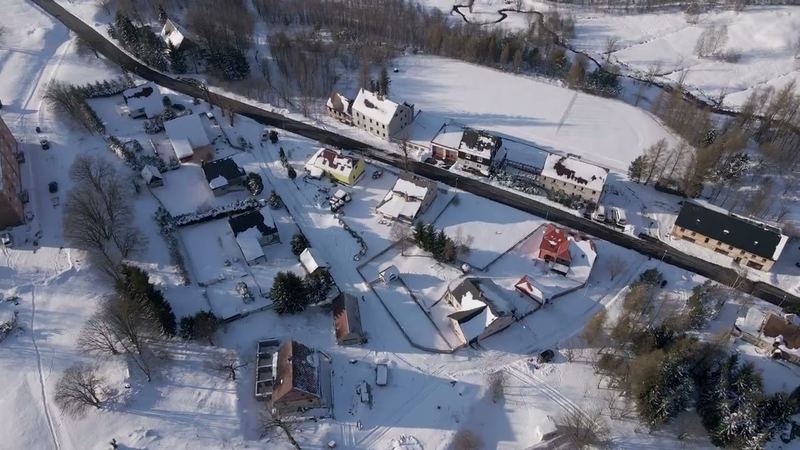
Wind and the spot are where most of it is decided. Take Moldava, a snowkite spot up in the Czech mountains: when the wind comes from the forest and we are close to the trees, the kite gets turbulent and unpleasant and you need to move further away. During a course, I would want the instructor to show me how nearby obstacles affect the wind at the spot where I am learning.
What to ask a school before you pay
These are the questions I would put to any school. Ask them by email if you like, so you have the answers in writing.
How many students per instructor, and per kite? You can have an instructor to yourself, take semi-private lessons with 2 students or join a larger group. You learn fastest one to one, and 2 per instructor works well too. For a group lesson, I would ask how students take turns and how much time I would spend flying the kite myself.
How many hours of actual teaching do I get? IKO, the international kiteboarding training organization, says most people get from zero to their first rides in 6 to 12 hours, often longer. A lesson is usually 2 to 3 hours, with teaching spread over several days.
What happens if there is no wind? No wind, no lesson. For a holiday, I would allow at least a week so you have a buffer for days when the wind doesn't show up.
Where do you teach and how deep is the water? The best water to start in is warm, flat and shallow with no reef, 2 to 5 feet deep, with open space free of obstacles and a steady 12 to 18 knots of wind. A knot is a unit of wind speed equal to about 1.15 mph; 12 to 18 knots is roughly 14 to 21 mph.
Is there a boat on the water? I would not take lessons in offshore wind without a rescue boat already on the water. The wind carries you away from shore, so help needs to be available.
What gear do I get to wear? The school should give you a helmet, a flotation vest and a harness. The harness goes around your waist or hips and you hook into it, so the pull of the kite goes through your hips instead of your arms. For beginners, the bar should have shorter lines and the kite should be picked for the wind on the day.
Will I get a record of my level and what to practise next? With certified instruction, ask for a record of the level you reached so you can pick up from there at your next lessons. I explain the levels in IKO certification: what the levels mean and what the card is for.
Signs of a rushed course
A few things that would make me think twice:
- They promise you will be riding after 1 day. Some experienced watersports participants manage their first rides in a few hours, but that alone does not mean they can kite safely.
- Nobody talks you through where the wind comes from, where the hazards are and where you can enter the water.
- Safety gets one sentence at the start and you never actually try self rescue in the water.
- 3 or more people in the group take turns on 1 kite.
- At the end you don't know what you can do, what you can't and what comes next.
What good lessons cost
Prices vary by country and school. IKO says most people spend around $500 to $800 on a complete course to an independent level, and an hour with a qualified instructor averages about $75.
When I compare prices, I look at how many hours you will really have the kite in your hands and how many people share the instructor. Work out the price per hour on the kite from the price per day on the beach, and only then compare schools.
Where to start: close to home or somewhere warm
You can start by looking for a school close to home, including one that teaches on land or snow. If you are in the Czech Republic, I work with Honza Procházka from Big Day. Big Day teaches self rescue, assessing conditions and choosing gear, with 1-2 students per instructor. A 2-hour practical lesson costs CZK 2,500 including gear; for snowkiting you bring your own skis or snowboard. The school offers kitesurfing, landkiting and snowkiting.
Land and snow are a good way in. I spend a lot of time landkiting near Fojtovice and snowkiting in the Ore Mountains, and there you learn to fly the kite without fighting the water at the same time. More on starting with a small kite on dry land in Trainer kites: learning on land before the water.
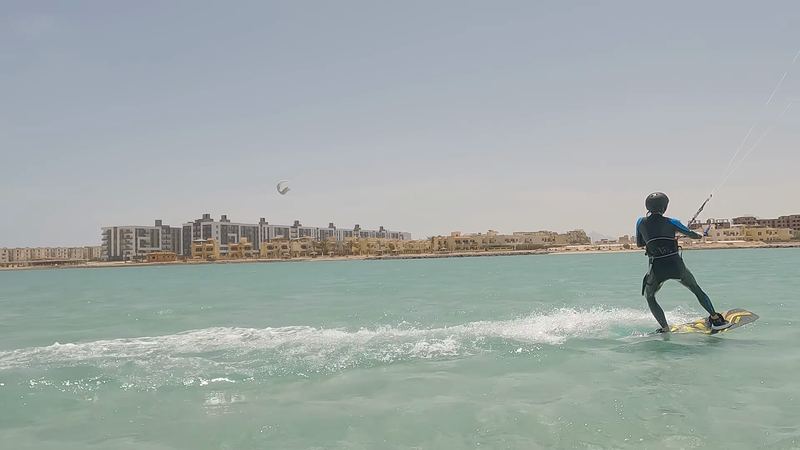
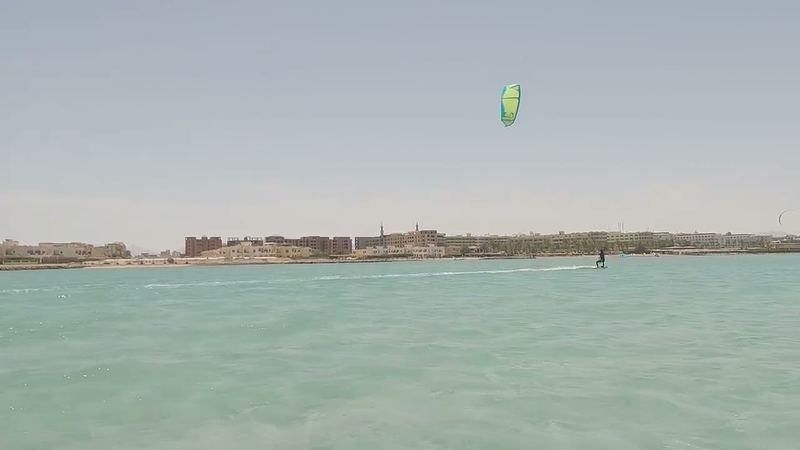
On the water, the best place to learn is warm, shallow and windy, and you can find those conditions in Egypt. On the kite safari in the Red Sea you can do a beginner course straight from the boat: the 6-day intensive course including gear costs an extra €600 on top of the safari price (2026 prices). Before booking, use the safari enquiry form to confirm the teaching hours and the conditions and cost of IKO certification. You learn in shallow lagoons, there is a rescue boat on the water, and the beach boys, helpers on the beach, carry and pump up the gear and help you launch and land. If you have done a course and want to brush up, there is a 3-hour refresh course for €180.
In April 2024 we took 8 beginners on the safari. The first 2 days were at Geisum island. Day 1 was hard, and by the middle of day 2 everyone was riding. We then moved to Ashrafi. Getting up and riding does not tell you whether someone is ready to kite independently. Please don't read that as a promise that it will go the same way for you: it depends on the wind, the instructor and you. I go through a course in Egypt step by step in Learning to kitesurf in Egypt.
You keep learning after the course
Finishing the course doesn't mean you are ready to ride alone. For your first solo sessions I would pick a spot you know, moderate wind and someone on the beach who can see you. I would never choose offshore wind for those sessions. What to focus on is in After the course: your first 10 solo sessions, and the whole path from the first kite to riding on your own is in How to learn kitesurfing.
Questions
How do I know if a kitesurfing school is good?
Look at what you learn beyond riding: self rescue, the quick release, hand signals, reading the forecast and the conditions on the spot, choosing a kite size and riding upwind. Ask how many students share one instructor and whether there is a boat on the water.
How many hours of kitesurfing lessons does a beginner need?
According to IKO, most people get from zero to their first rides on the board in 6 to 12 hours of lessons, often longer. A lesson usually lasts 2 to 3 hours, so a course is spread over several days.
How many students per instructor is right?
You learn fastest with an instructor to yourself, and 2 students per instructor works well too. IKO distinguishes private lessons, semi-private lessons with 2 students per instructor and group lessons with more than 2.
How much do kitesurfing lessons cost?
IKO says most people spend around $500 to $800 on a complete course to an independent level, with an hour with a qualified instructor averaging about $75. The 6-day beginner course on the Red Sea kite safari, including gear, costs an extra €600 on top of the safari price (2026 prices). Before booking, use the safari enquiry form to confirm the teaching hours and the conditions and cost of IKO certification.
Sources
- Activating the quick release removes almost all kite pull while the leash keeps the rider connected; a separate leash release allows complete separation www.duotonesports.com (checked 17 October 2026)
- 1 knot = 1.1508 mph; 12 to 18 knots converts to approximately 14 to 21 mph glossary.ametsoc.org (checked 17 October 2026)
- Who teaches you matters more than where you learn; a qualified instructor has training endorsed by a reputable organization and teaches to its safety and quality standards www.ikointl.com (checked 17 October 2026)
- Total beginner to starting to ride in an average of 6 to 12 hours of lessons, often longer, rarely less; lessons usually 2 to 3 hours; plan at least a week on a holiday to allow for days without wind www.ikointl.com (checked 17 October 2026)
- Lesson formats: private, semi-private (2 students per instructor), group (more than 2 students per instructor); private costs more but you learn faster www.ikointl.com (checked 17 October 2026)
- At the riding stage the instructor should teach speed control, riding upwind, self-launching and self rescue in deep water; even after lessons you might not be ready to kite on your own www.ikointl.com (checked 17 October 2026)
- Some experienced watersports participants manage their first rides in a few hours; that does not mean they can kitesurf safely www.ikointl.com (checked 17 October 2026)
- Ideal learning conditions: warm, flat, shallow water without reef, 2 to 5 feet deep, open space without obstacles and stable wind of 12 to 18 knots; Egypt is among the countries that offer them www.ikointl.com (checked 17 October 2026)
- The school should supply a flotation vest, helmet and harness; IKO instructors certify students at the end of the last lesson and the certification works as a passport for other IKO centers www.ikointl.com (checked 17 October 2026)
- Cost: most people invest around 500 to 800 USD in a complete course to an independent level; an hour with a qualified instructor averages about 75 USD www.ikointl.com (checked 17 October 2026)
- Lessons in offshore wind only with a safety boat on the water; weather check and safety briefing before every session; short lines on the bar for beginners and small trainer kites for land drills; vests, harnesses and helmets in all sizes www.sltda.gov.lk (checked 17 October 2026)
- Big Day: individual landkiting, snowkiting and kitesurfing courses, at most 1-2 people per instructor, CZK 2,500 per lesson (2 hours of practical teaching, gear included except personal skis or a snowboard for snowkiting); teaches self-rescue, signals, emergencies, reading the forecast and on-site conditions and choosing gear www.big-day.cz (checked 17 October 2026)
- Kite safari, 2026 price list: beginner kiteboarding course €600 extra on top of the safari price (6-day intensive course including kite gear), teaching hours and certification terms not stated on the page; refresh course 3 hours €180; rescue boat and beach boys who help with gear, launching and landing included in the safari; shallow lagoons paradisekitesurf.cz (checked 17 October 2026)
- April 2024: 8 beginners on the safari, first 2 days of training at Geisum island, day 1 was hard, by the middle of day 2 everyone was riding, then a move to Ashrafi www.instagram.com (checked 17 October 2026)